Residential
Residential
“Architecture is the thoughtful making of space”
Louis Kahn | 1972, Perspecta Vol. 4
Residential briefs are often complex and demanding; they can involve conflicting needs and priorities, they are often time-sensitive as families evolve and expand, and in most cases they involve existing buildings that have strained to adapt to suit previous occupants.
Often we are given a brief that asks for something specific, such as an extension of a certain type or size; whilst this approach may solve some issues, we endeavour to also explore other creative (and sometimes less costly) ways of helping our clients solve the particular issues they have with their home.
At the start of each residential project, we strive to develop an understanding of every element of the brief we are given and how this relates to the unique way that each family unit, whatever form that may take, uses their home. From this basis, we can work with you to help unlock the potential of your home and extract the maximum value out of your budget.
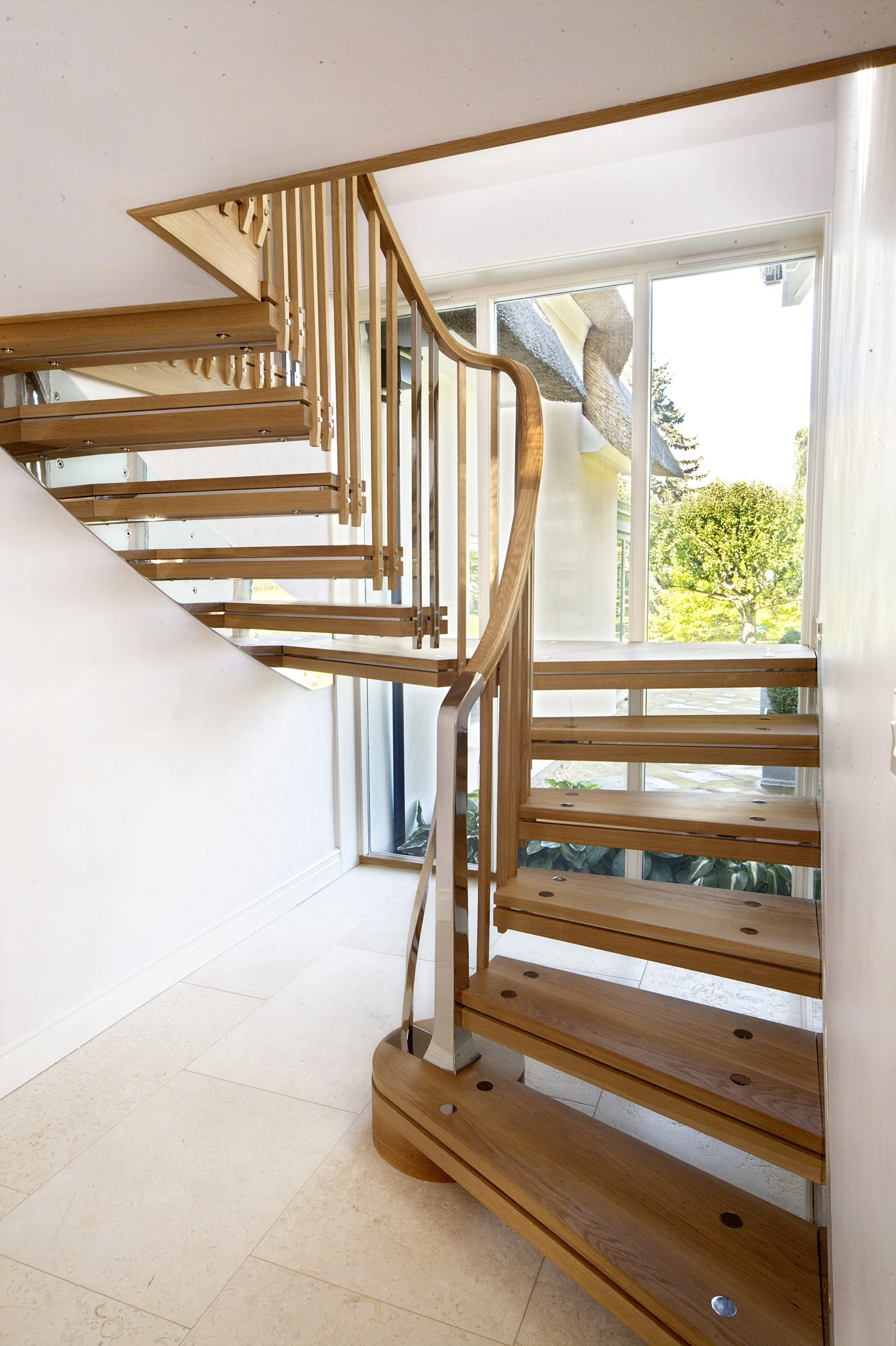
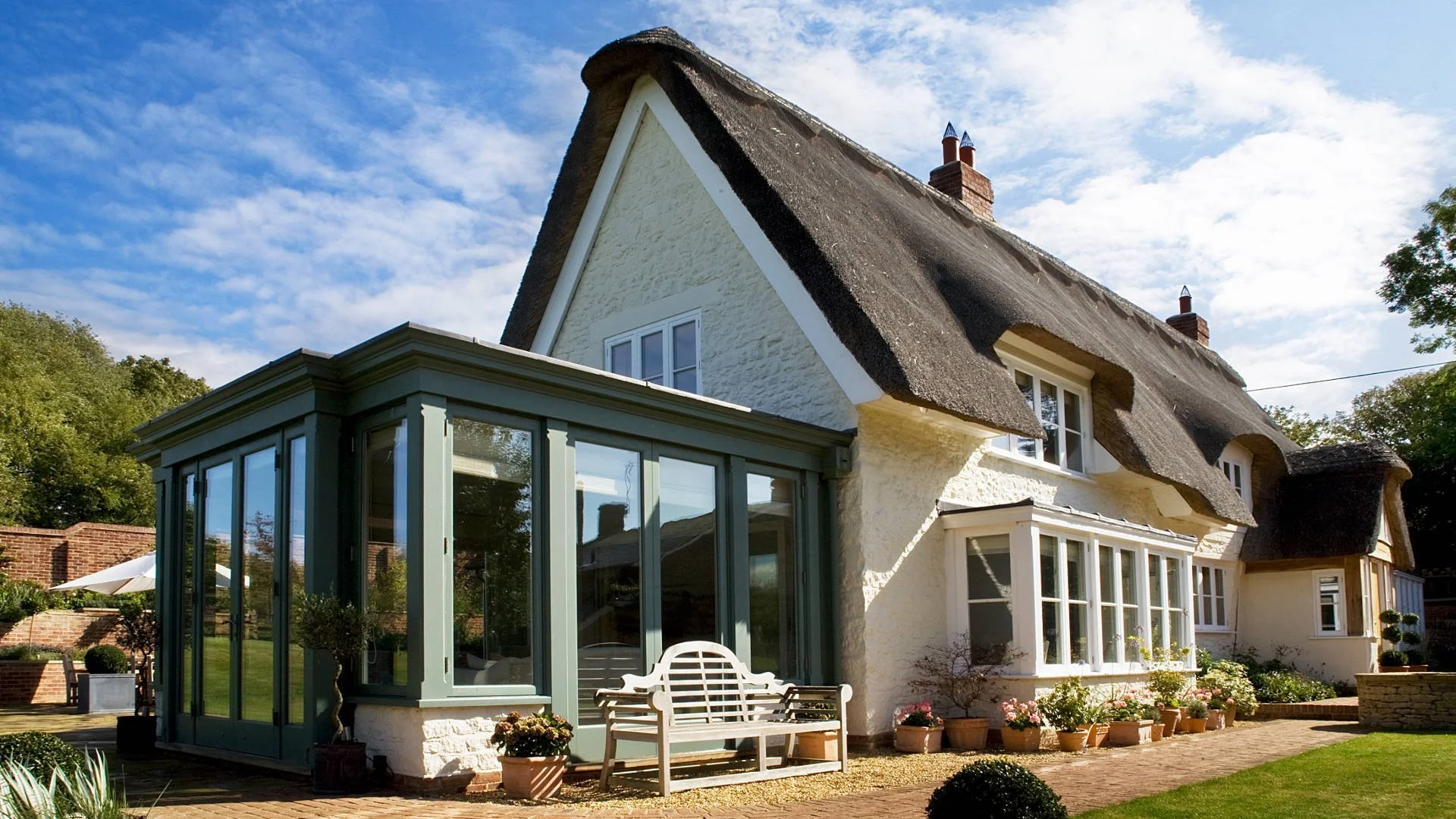
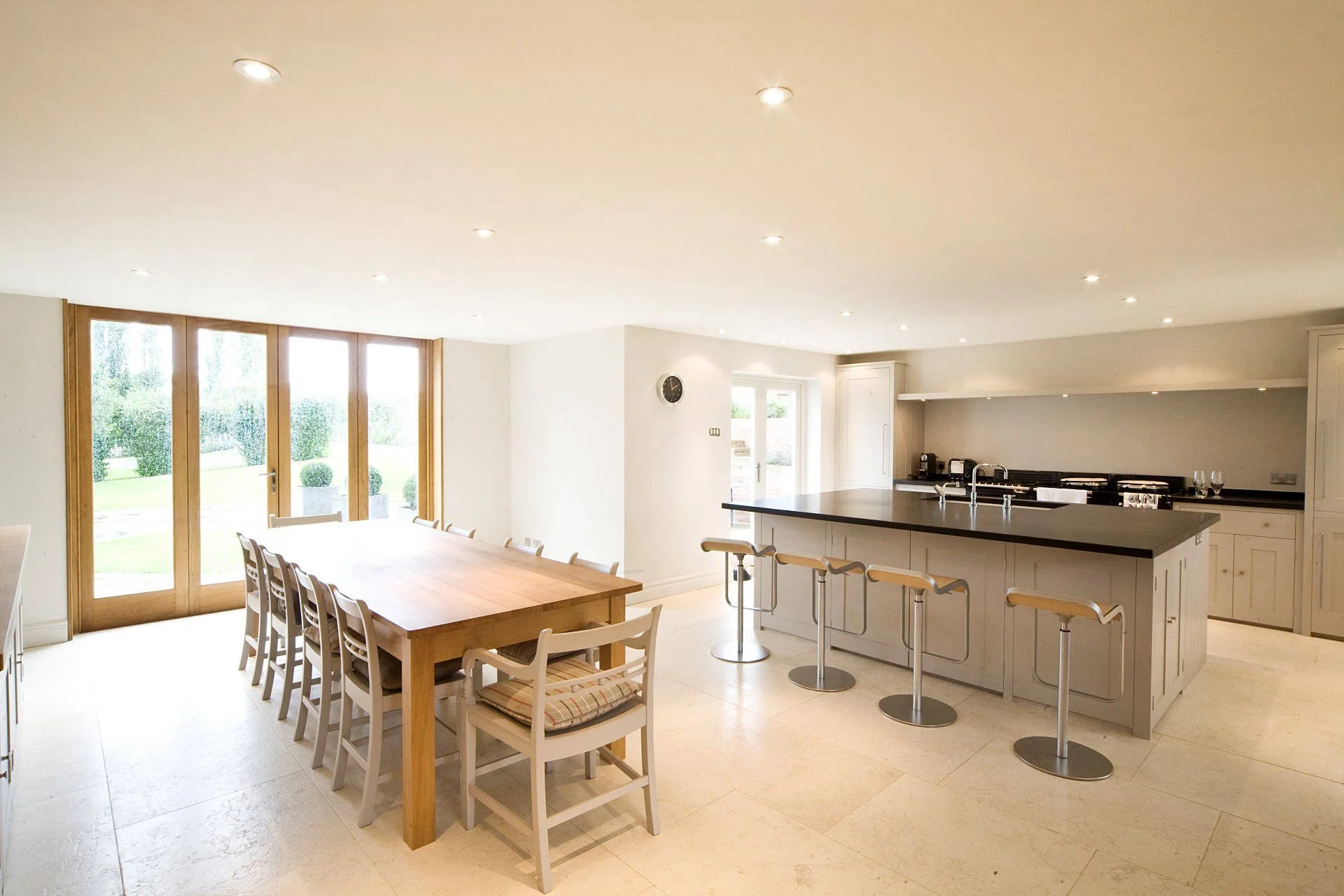
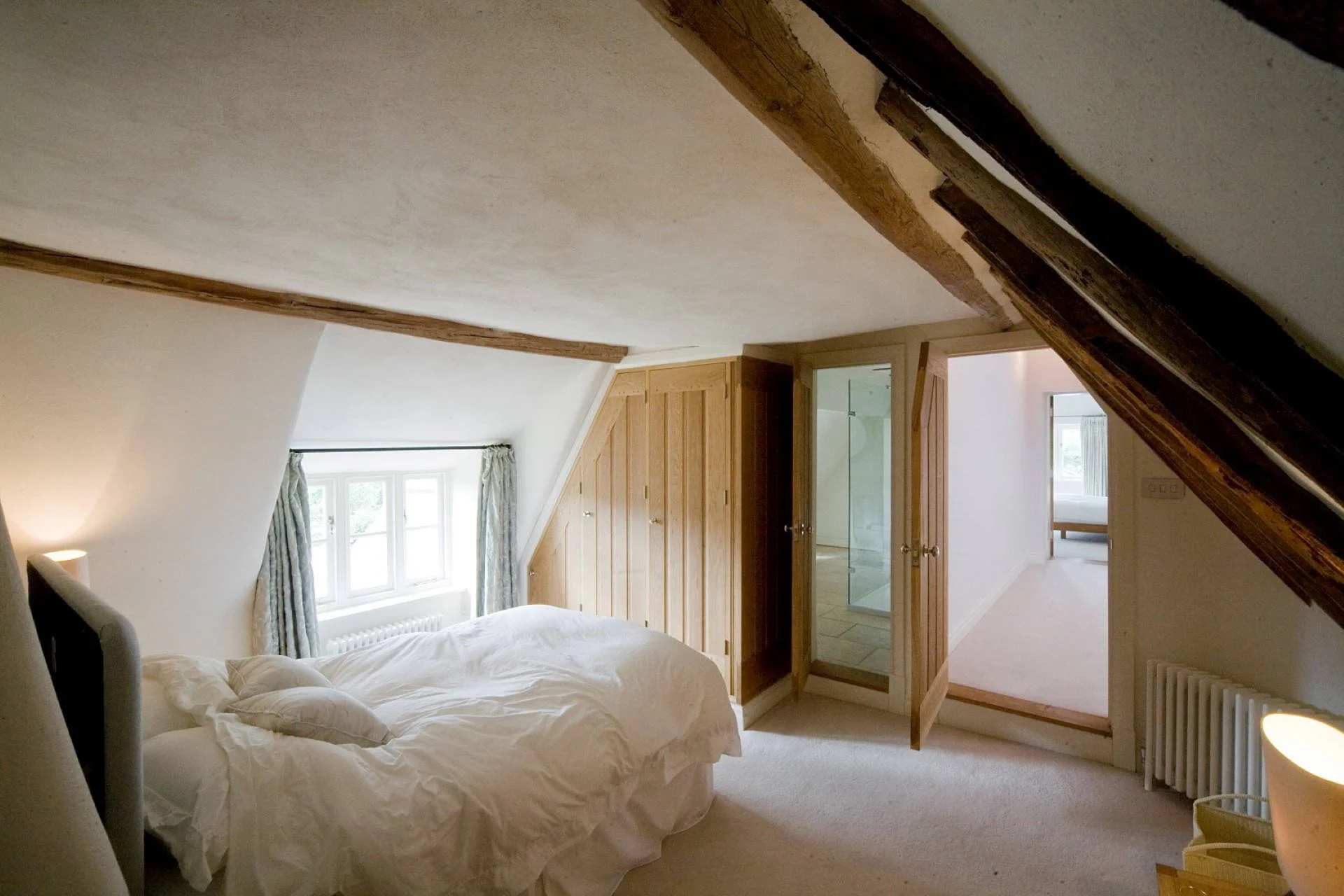
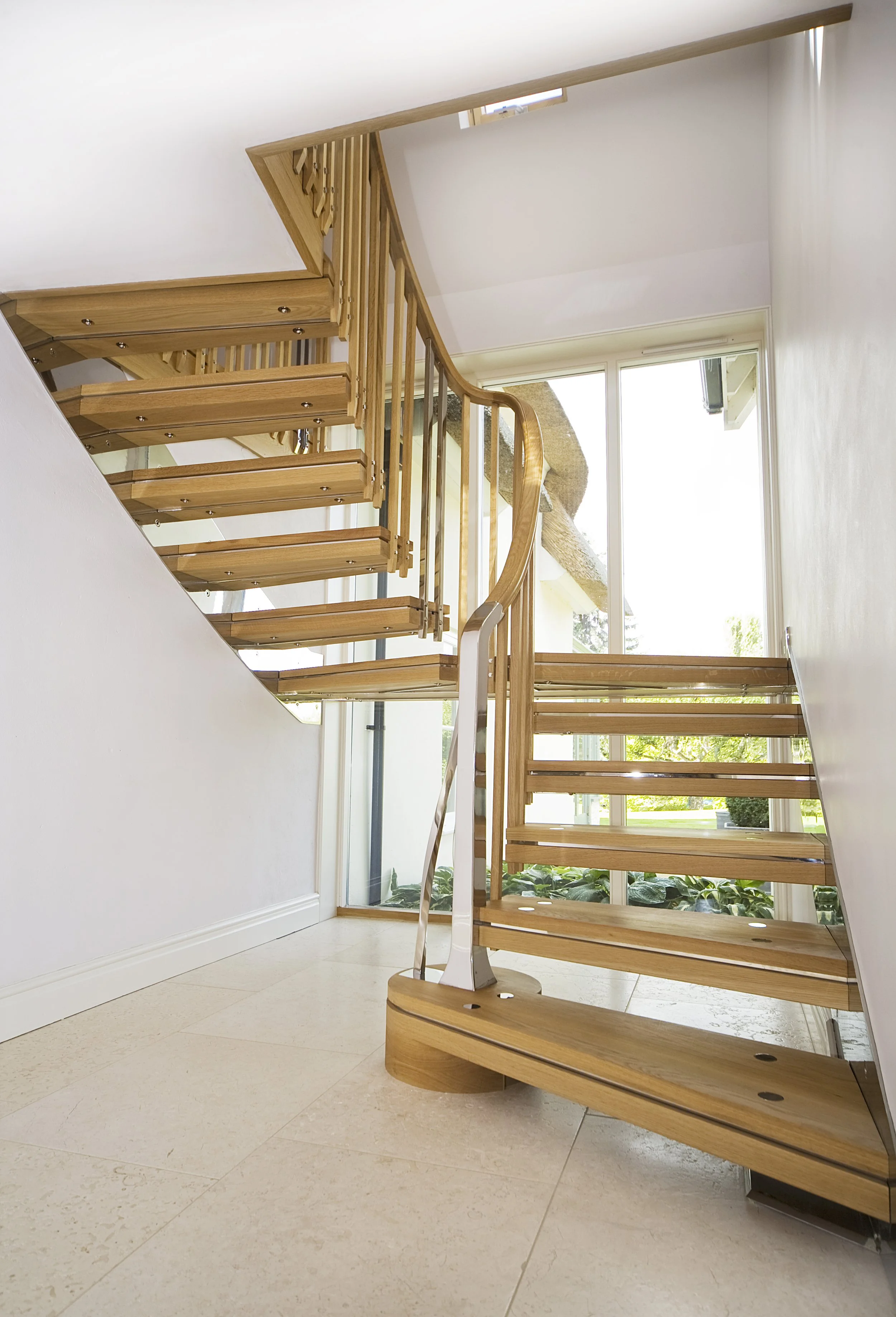
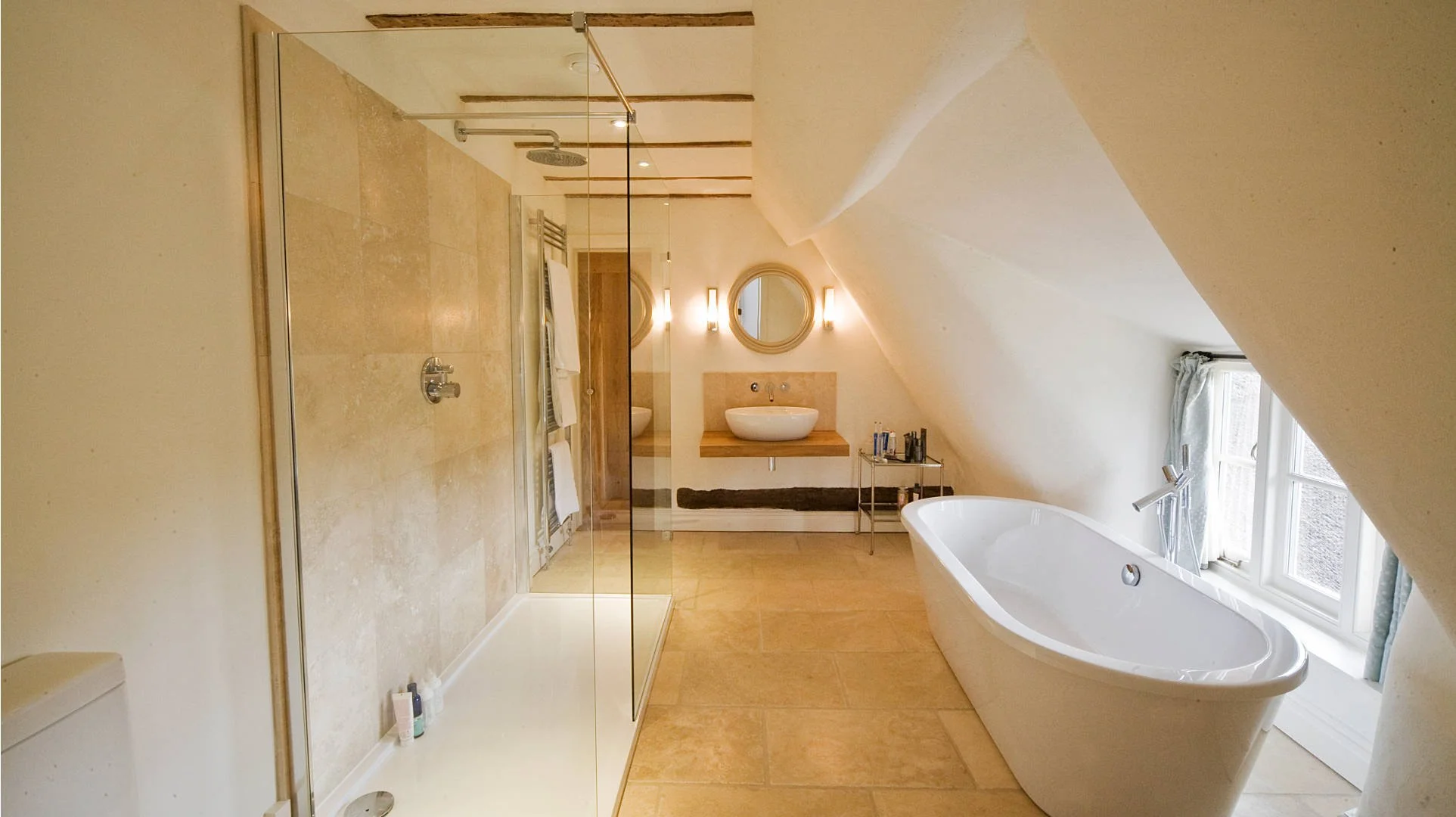
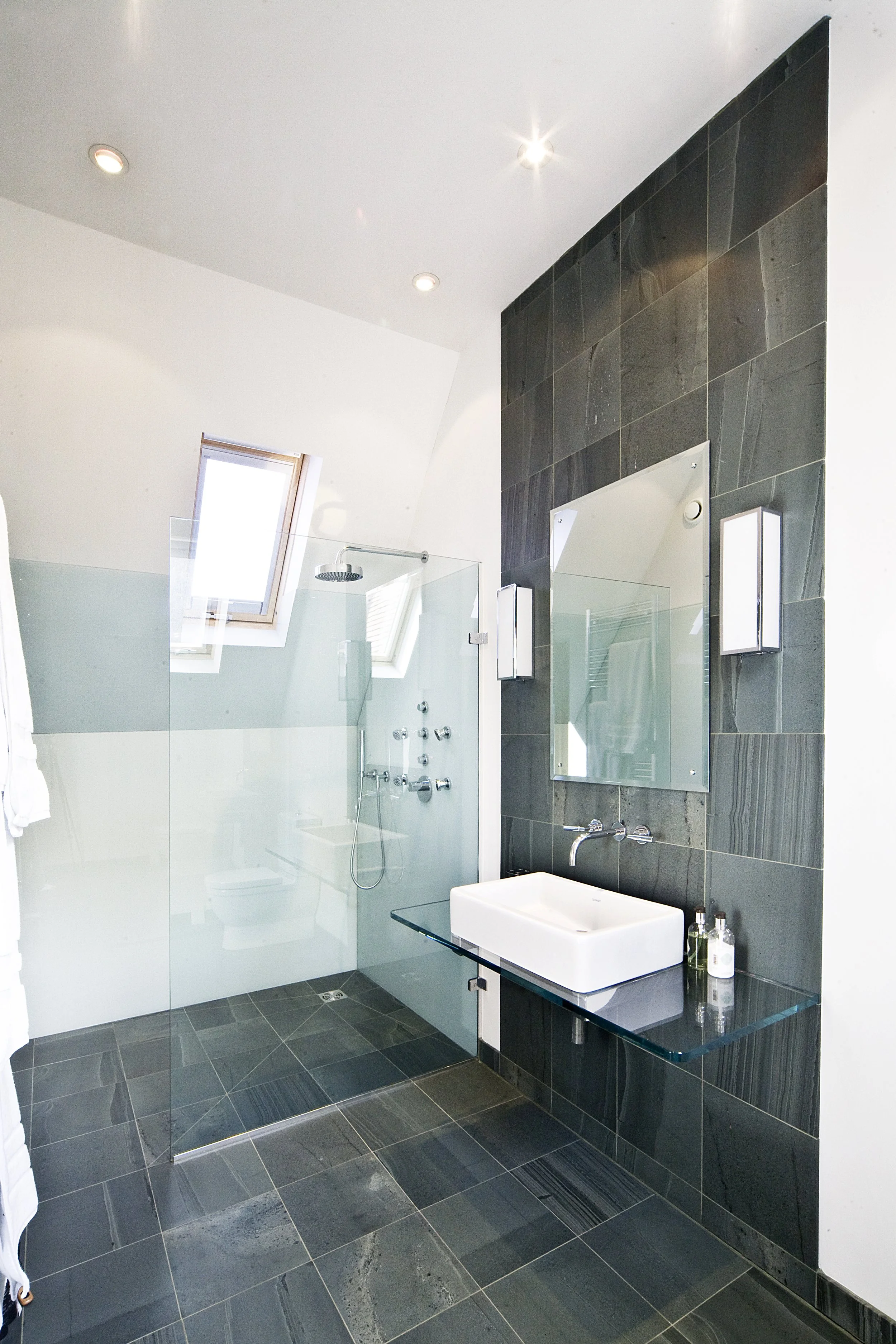
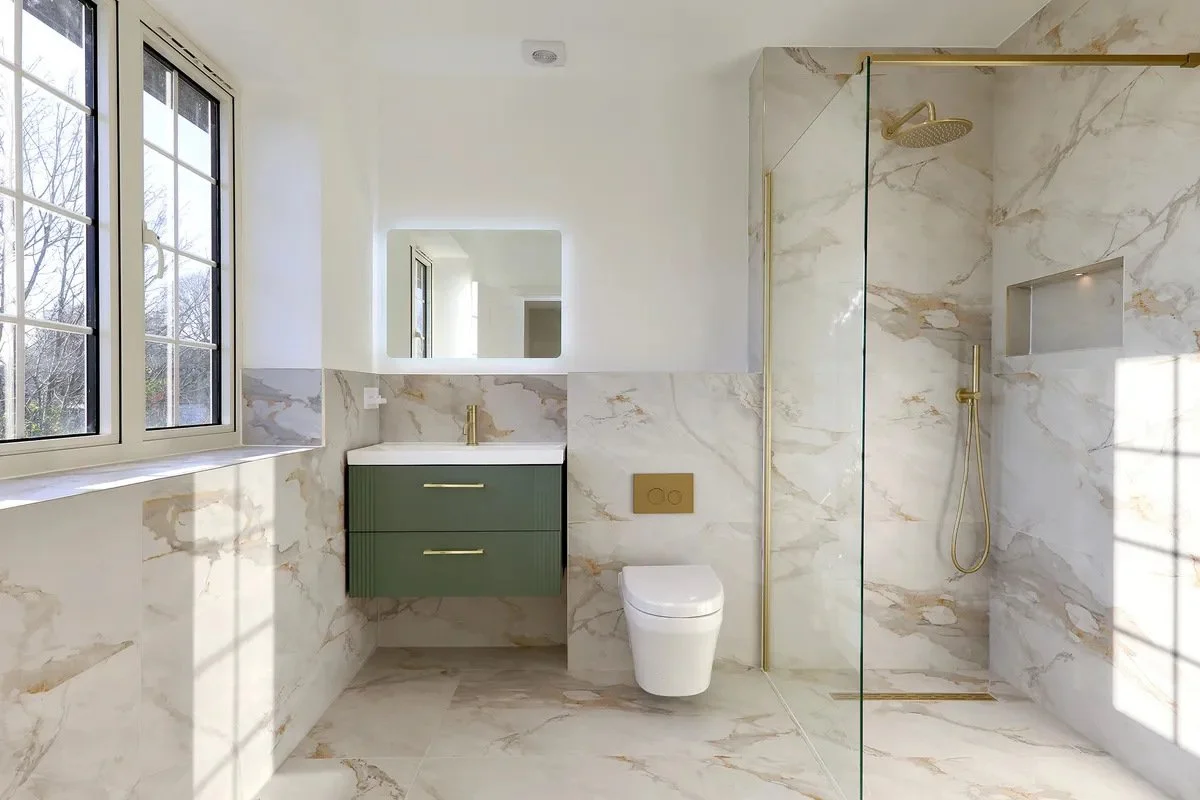
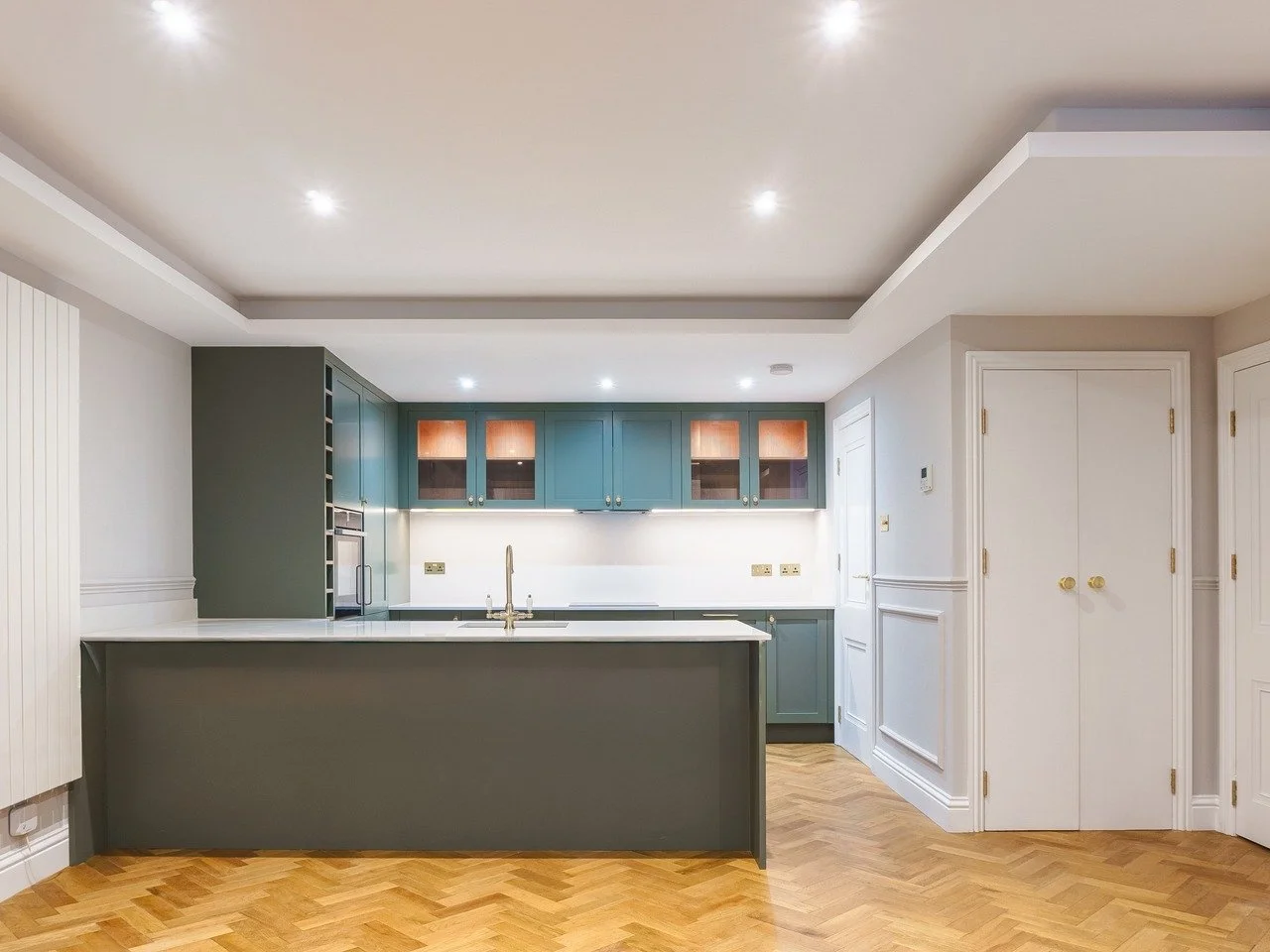
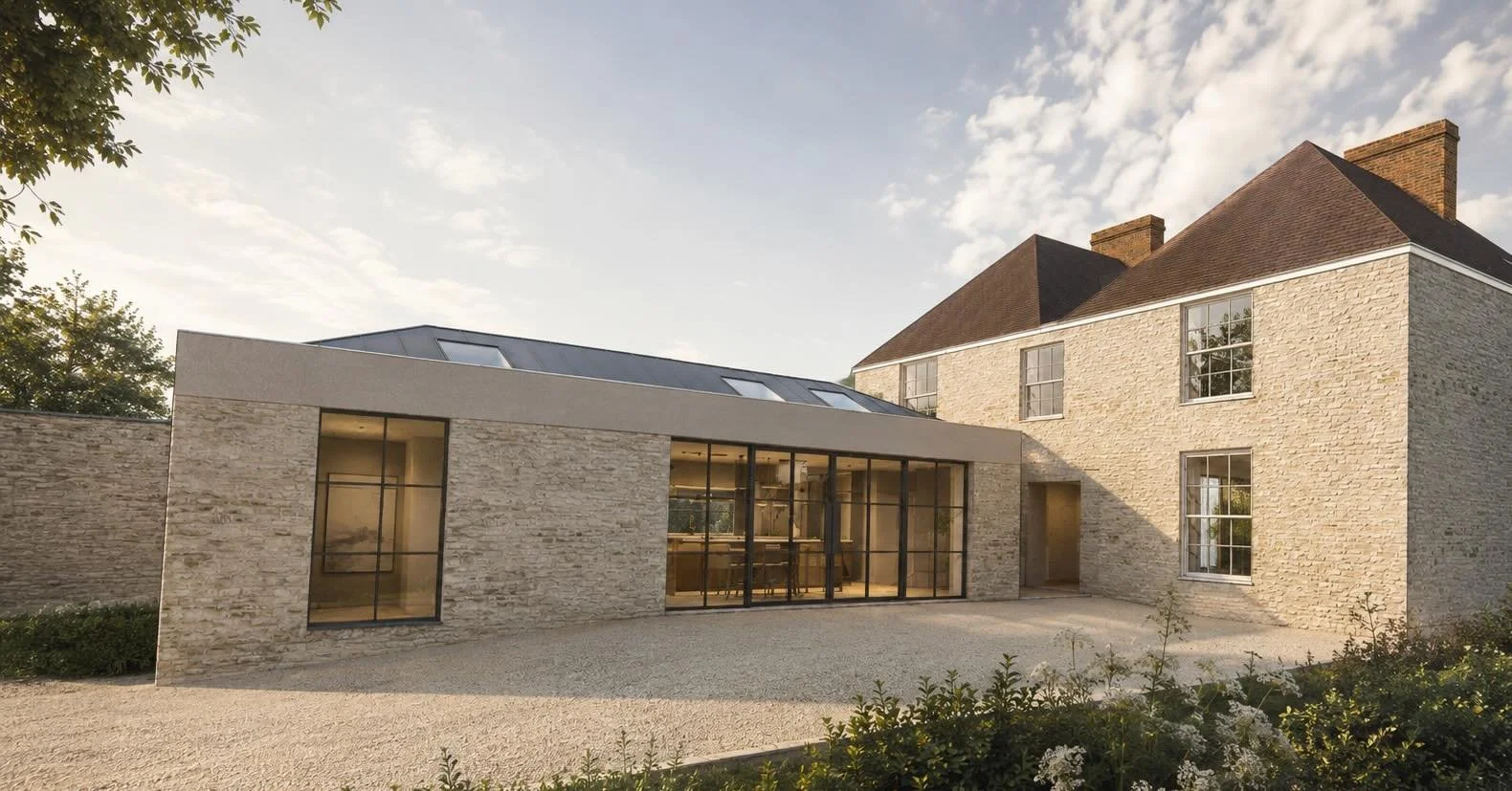
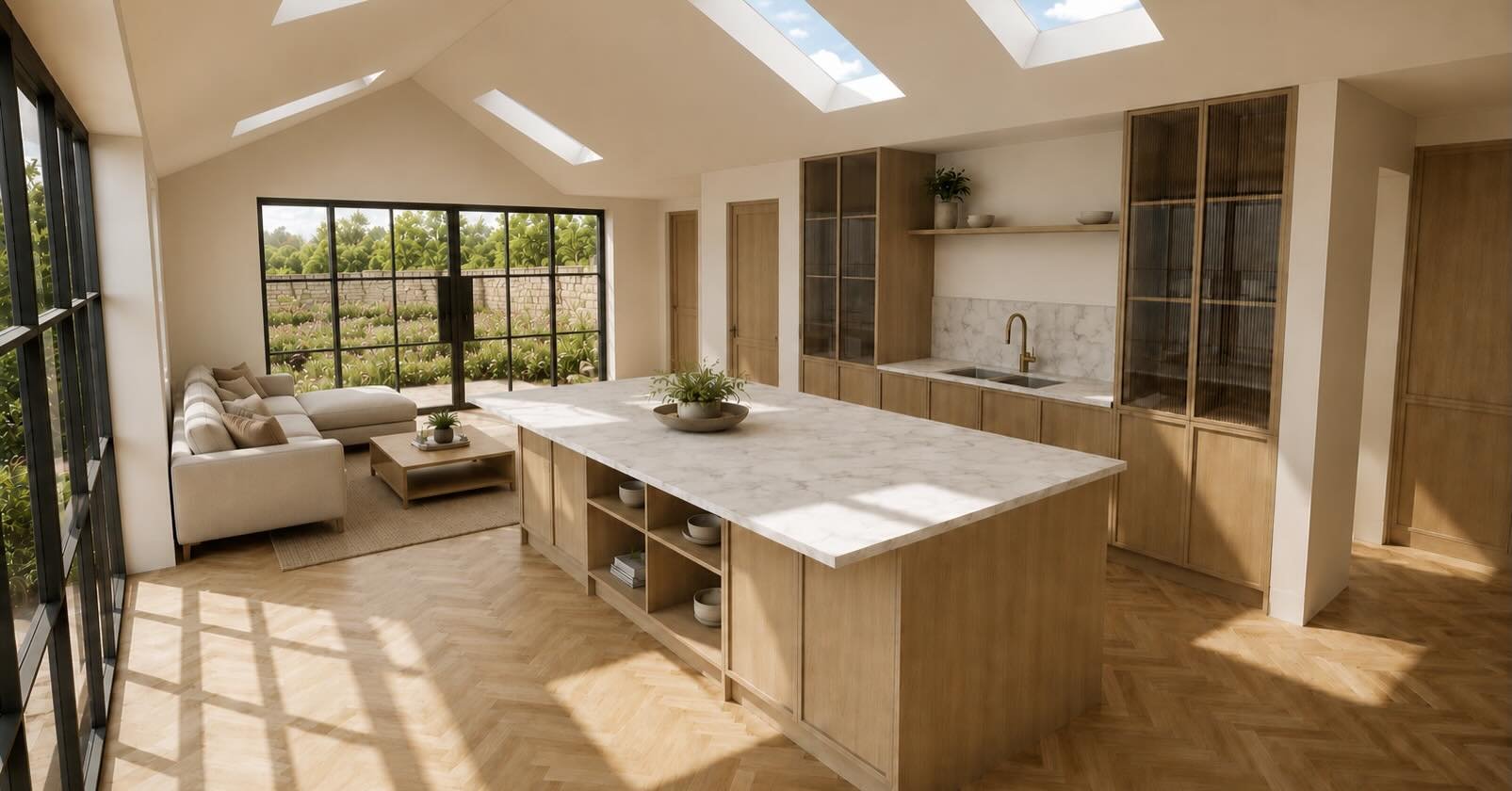
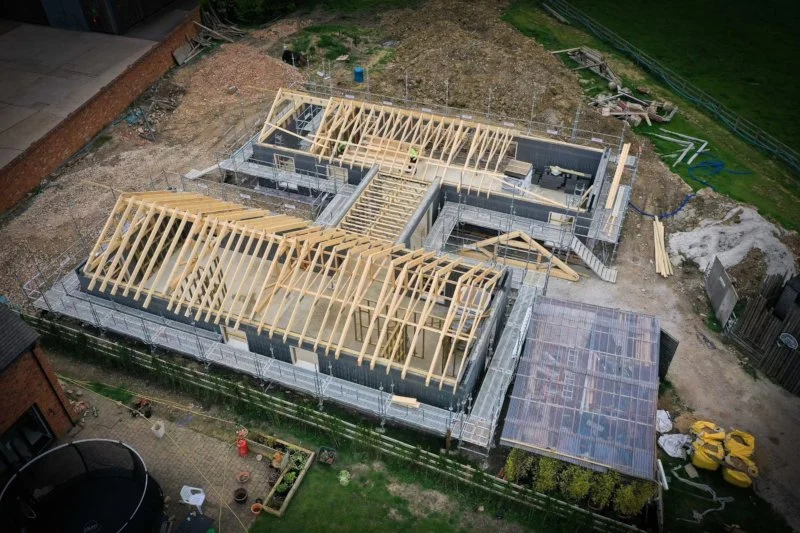
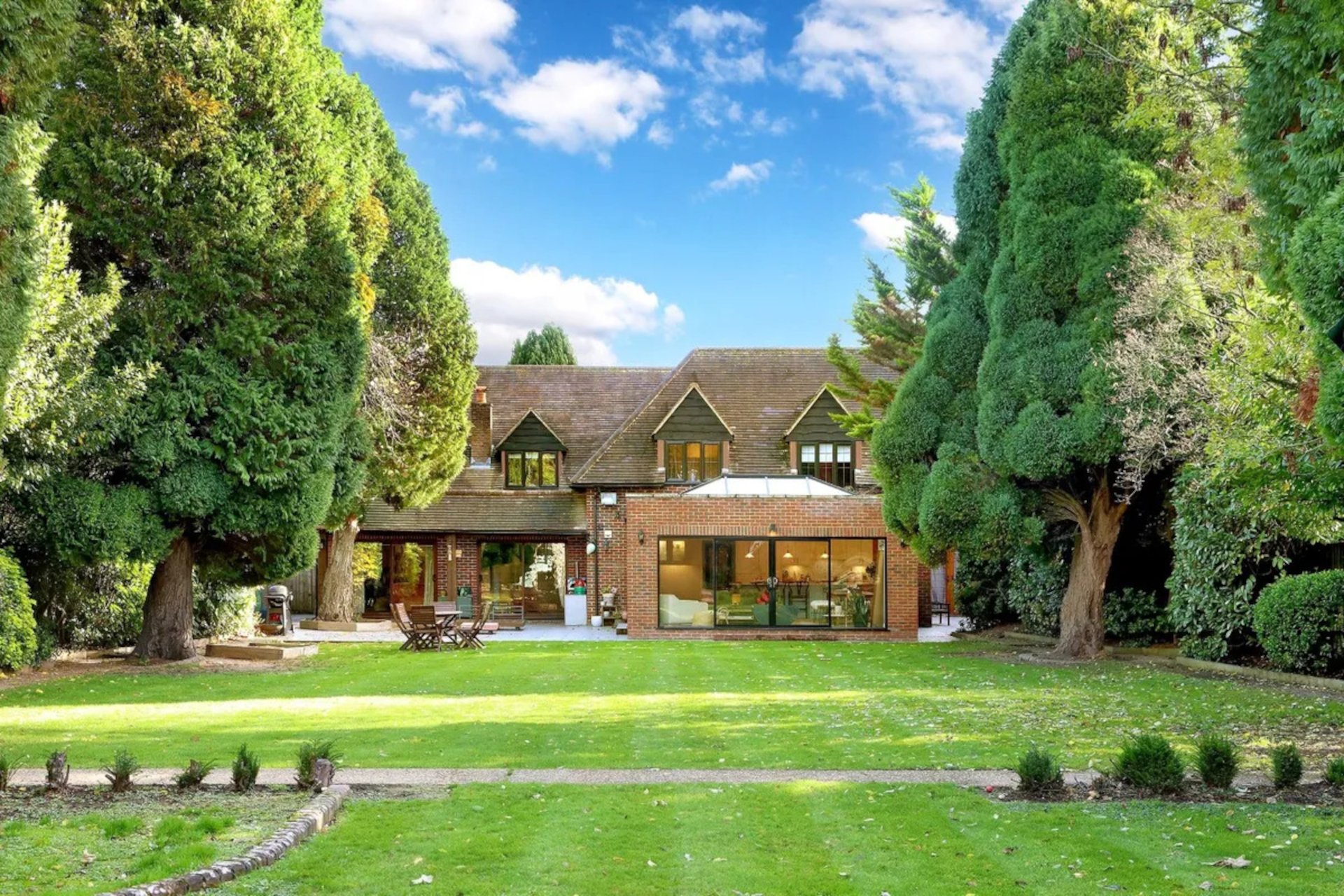
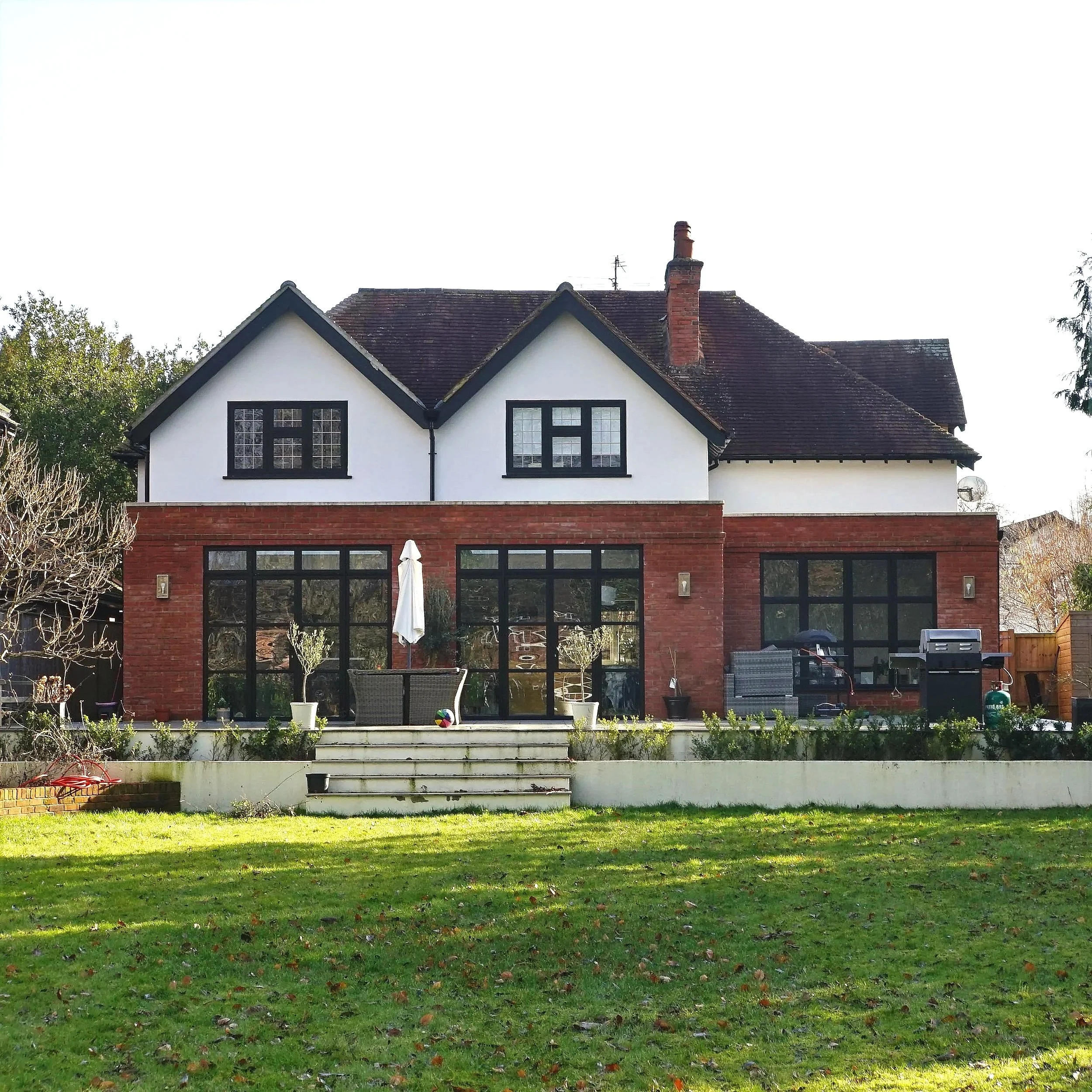
We have extensive experience in delivering a wide range of high quality residential architecture for our clients, from extensions & alterations for private clients, one-off commissions for new build dwellings, through to conversions of existing buildings to provide residential and/or commercial units as well as small-scale housing developments.
What we do
Our work is a collaboration between you and us. The best time to approach us is when you are first considering your project and how to realise your ambitions. Ideally, we would cover a project from inception through to completion on site, in order to provide the most complete support and overall value, but we can come in at any stage and cover any stage of the process, dependent on what you require.
The below guide covers the stages encountered by most projects:
-
We typically offer a free initial consultation, either at your property or via a video call, to meet with you and to understand the requirements of your brief. Often, the brief will evolve during this discussion, as we begin to understand your needs and the way you use your home. It also allows us to get a feel for the property, room sizes, layout and flow, in order to help us contextualise your brief.
-
We will firstly arrange for the existing property or site to be surveyed, either by ourselves or one of our survey partners, dependent on the size and scope of the project.
We will also sit down with you again to full define the brief, before undertaking our initial planning review and feasibility work. This forms the foundation for the design stages.
-
During this stage, we will begin to articulate your ideas in to an outline architectural proposal.
This typically takes the form of sketch floor plans and elevations and, dependent on the project, may also involve indicative 3D massing, modelling, material studies, or concept sketches.
We will then review these with you over a series of design workshops, in which we can talk you through the scheme and answer any questions you have.
If we feel it would be beneficial, we may also suggest a Pre-Application submission to the local authority. These are usually most beneficial when the property is listed, as it allows for early engagement with the conservation officer, or where the project is unusual or complex.
-
Once we have reviewed the concept schemes, including the output from any Pre-Application discussions, we will begin to formalise these ideas in to a package of information to submit with the planning application.
Not all projects will require planning approval; we would therefore advise what applications need to be made, and the sequencing of these applications.
We will also prepare the rrequired supporting documents (Design & Access statement, Heritage Assessments, etc.)as well as collate any application reports required from external consultants to accompany the drawings.
We will then finalise, submit, and monitor the planning application, liaising with the planning and conservation officers as needed.
-
Once planning approval has been received, we will begin to prepare the detailed technical drawings for your project.
These drawings outline the detail of the project and how it will be constructed. These will include the detail of your project, and their scope will be dependent on the level of input you require from us.
Once finalised, these drawings are submitted to Building Control for their approval.
-
Following the technical design stage, we will begin to collate a package of works suitable for tender from contractors.
This package will typically include the technical drawings, as well as a written specification and schedule of works, as well as other accompanying schedules for elements such as windows, doors, bathrooms, lighting, and finishes.
This package is then sent to selected contractors for tender. Once received, we review these tenders and discuss and changes that you may wish to make prior to construction. The tender stage also allows us to tailor the project scope, where required, to suit the required budget.
-
Once works begin on site, we will make periodic visits to site to check on progress and to answer any questions the contractor may have, as well as to coordinate and review works with consultants and site inspectors. These may be less frequent at the start of the project (eg. fortnightly), for example during demolition and groundworks, and more frequent (eg. weekly) towards the end of the project when details such as finishes are being agreed.
As the works progress, we would administer the chosen building contract including the management of change control procedures, making and/or obtaining decisions as necessary for cost control during the construction period, making periodic valuations of the work and certifying payments due to the contractor in accordance with the contract. These valuations are typically monthly, at which point the contractor will make an application for payment. We would review this, raise any queries with the amounts claimed, and once agreed issue a certificate for payment of a certified amount.
Once the works are almost completed, we will conduct a snagging assessment with yourselves and the contractor, where we will review the completed works for any issues that need to be resolved prior to practical completion. Once these are resolved, we would then coordinate the handover of the works.
You can then enjoy your new home!