Ecclesiastical
Ecclesiastical
“I never weary of great churches. It is my favourite kind of mountain scenery. Mankind was never so happily inspired as when it made a cathedral.”
Robert Louis Stevenson | 1878, An Inland Voyage
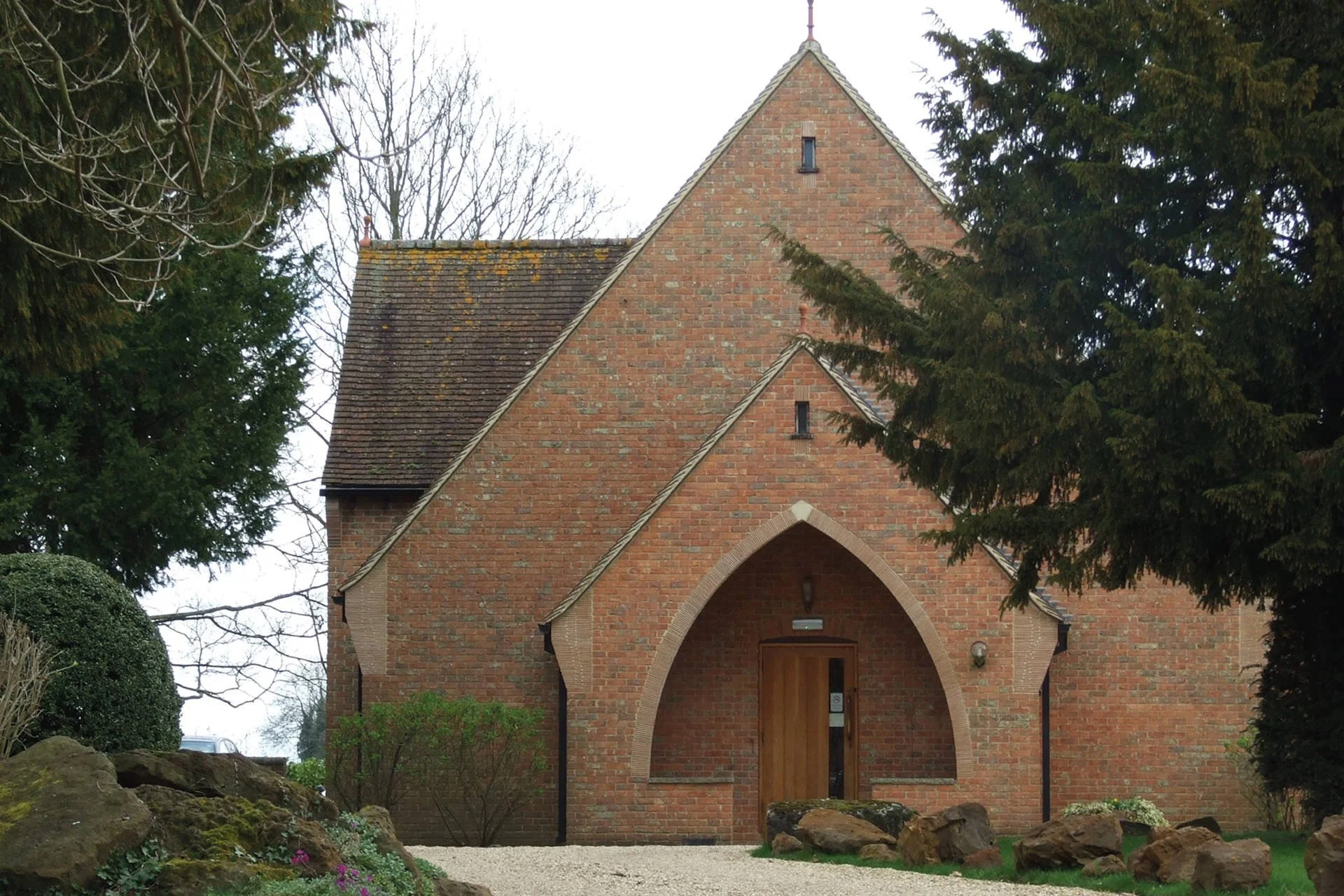
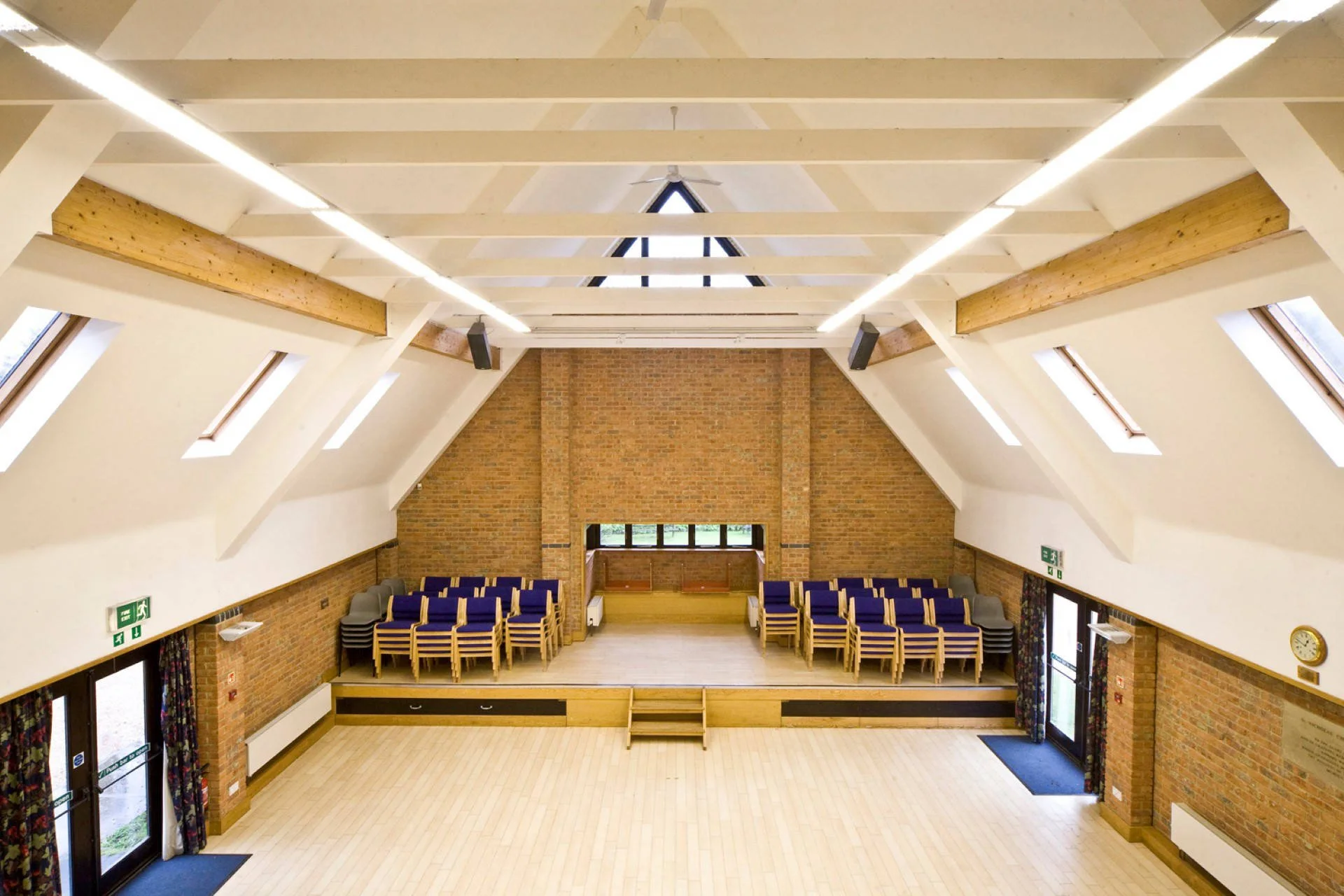
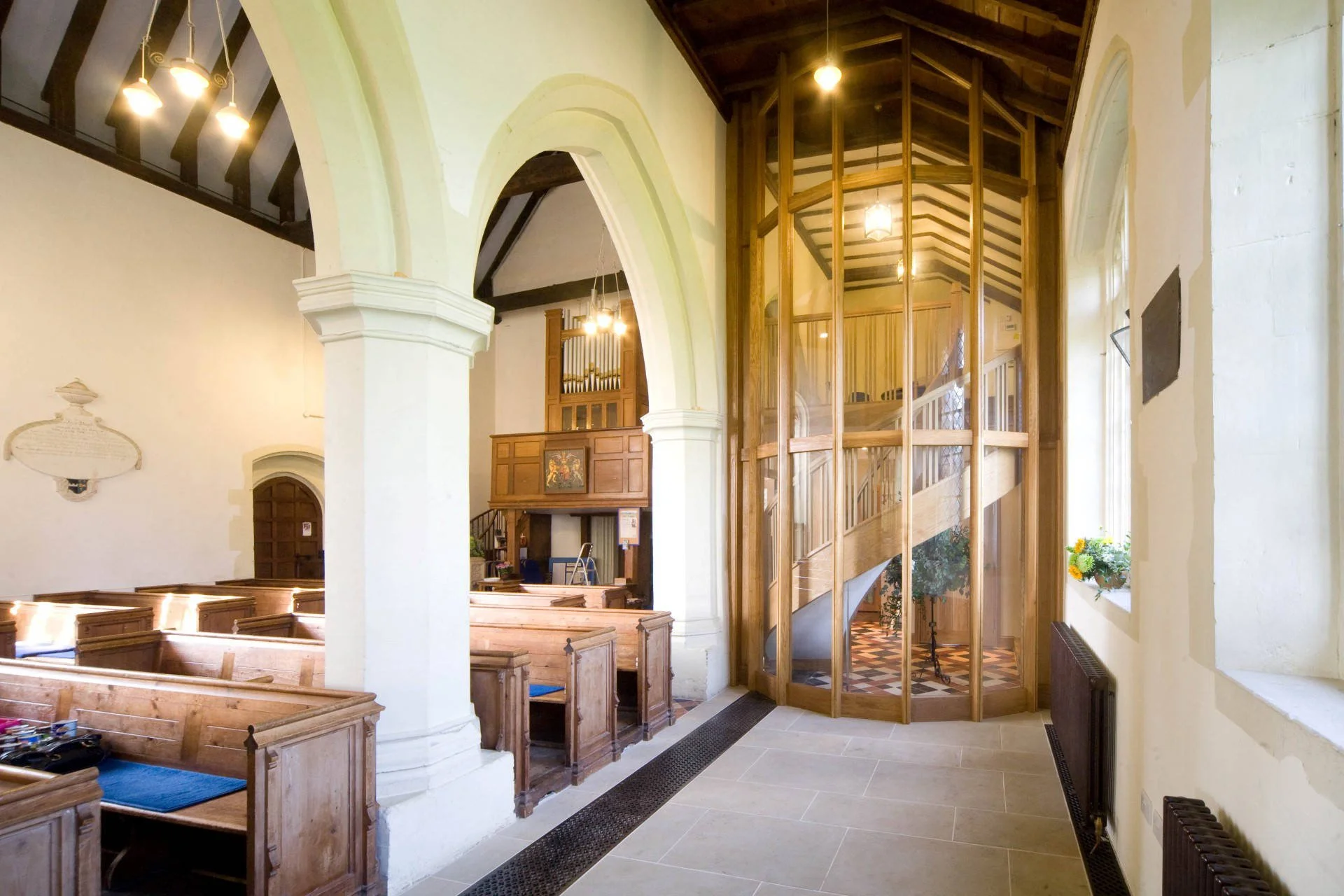
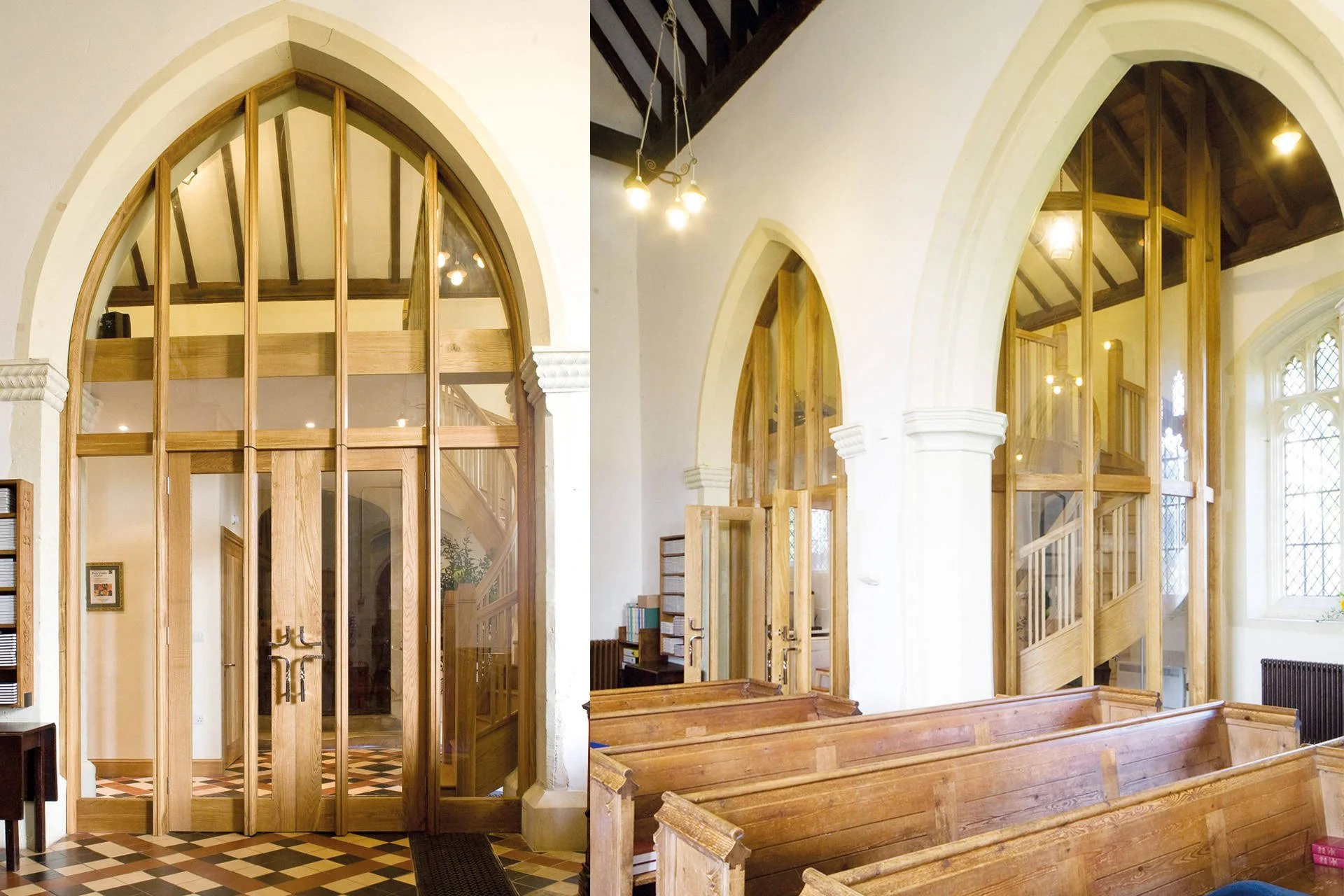
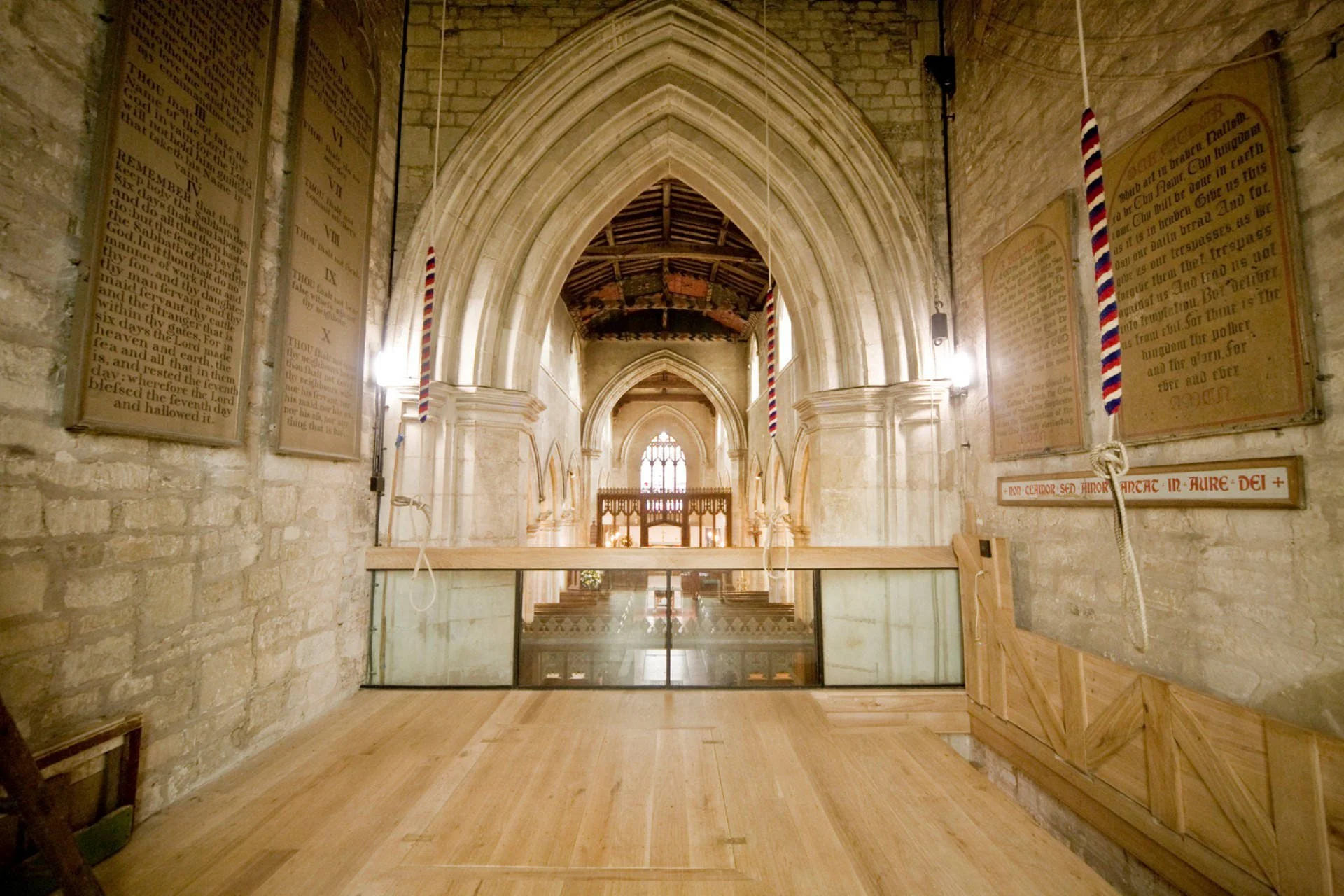
We’ve worked on a range of church and ecclesiastical projects, where the building is not only historic but also an important part of the community. These are often sensitive projects, working with buildings of the highest status and protection, and we approach them with care, balancing respect for the existing building with the practical needs of the people who use it.
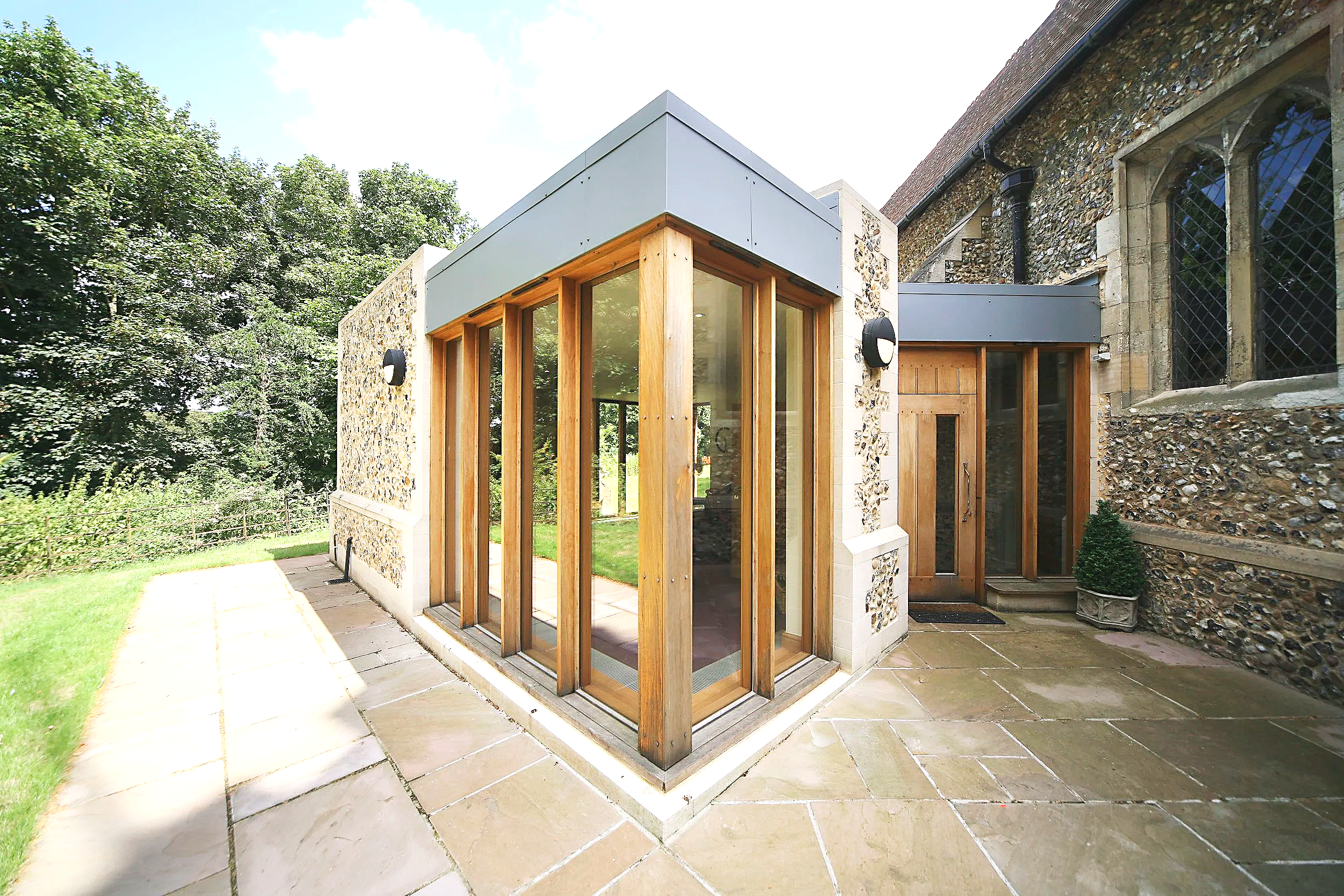
Every church is different, and we take time to understand its character, history and how it’s used day to day. This helps us develop proposals that feel appropriate, contextual, and which sit comfortably within the building rather than competing with it.
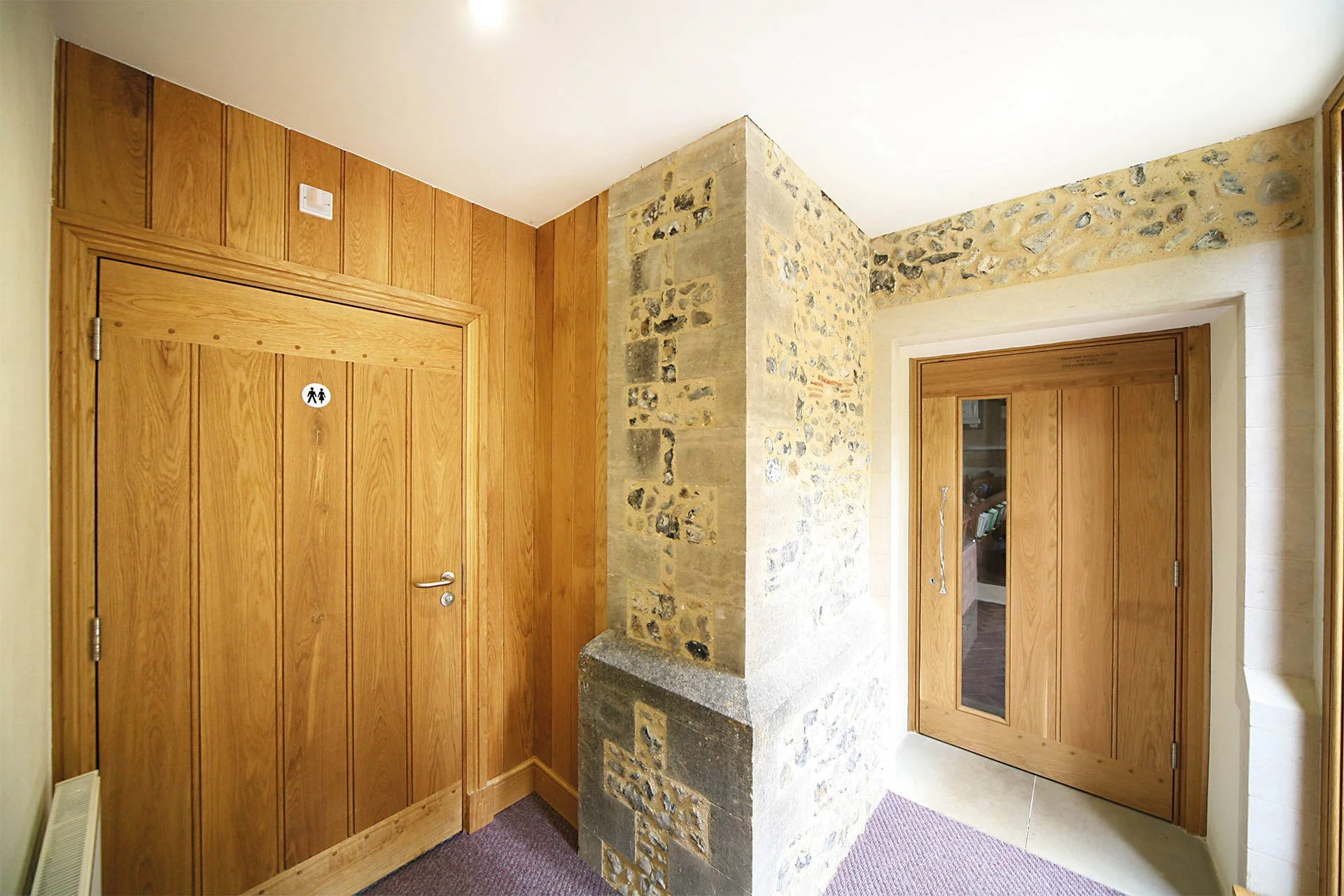
Church projects tend to involve a number of stakeholders, including clergy, PCC members, committees and wider communities, and so clear communication is key. We work closely with everyone involved, helping to shape ideas and move things forward in a way that feels considered and inclusive. Whether it’s improving accessibility, adding new facilities or making better use of existing space, our focus is on practical, well-resolved solutions that support both worship and community use.
As well as this, church buildings often come with their own quirks and challenges, shaped by centuries of change. We take a careful and practical approach, developing proposals that respond to the realities of the building while respecting its long-term care.
Ultimately, we’re interested in helping churches continue to evolve, supporting their role today while looking after what makes them special for generations to come.
What we do
-
We begin by building a clear picture of the church—its history, architectural character and how it has evolved over time. This includes identifying elements of particular significance, as well as areas that may be more flexible for change.
Just as importantly, we look at how the building is used today. Understanding patterns of worship, community activities and day-to-day practicalities helps ensure that any proposals are grounded in how the space actually needs to function.
-
We work closely with clergy, PCC members and other stakeholders to define a clear and realistic brief. This often involves balancing a range of needs - liturgical, practical and community-focused - while also considering budget, long-term aspirations, and sustainability goals.
At this stage, we help prioritise objectives and clarify what success looks like, creating a strong foundation for the design process.
-
Initial ideas are explored and tested, often through a number of options, before being developed into a clear and coordinated design.
Proposals are shaped to sit comfortably within the existing building, respecting its character while improving usability, accessibility and flexibility. Throughout this stage, we aim to keep the design process open and collaborative, allowing feedback from various stakeholders to inform the direction of the project.
-
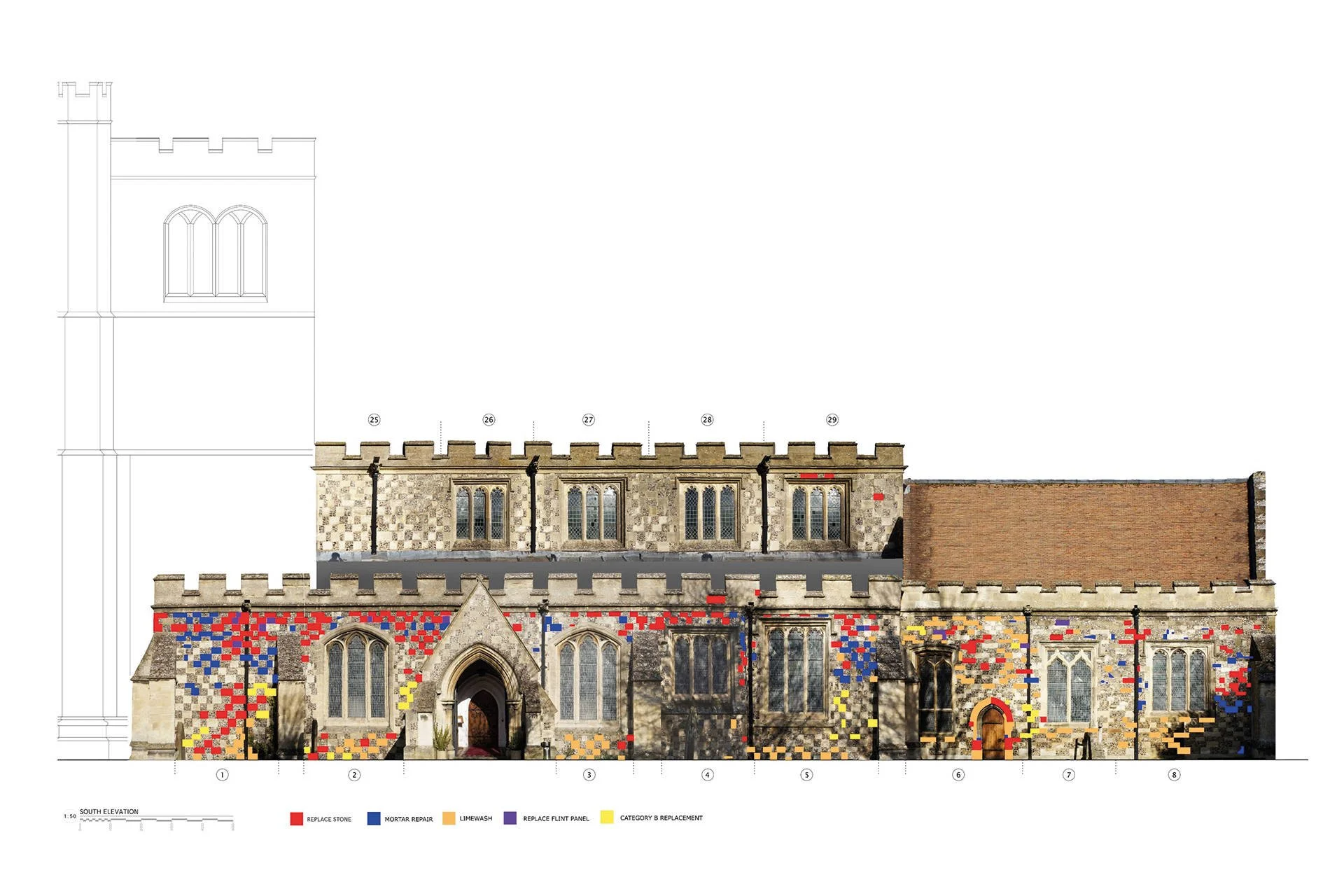
We guide projects through the faculty system, which can involve several stages of review and consultation. This includes preparing drawings, statements and supporting information that clearly explain the proposals and their impact on the building.
We liaise with the Diocesan Advisory Committee and other consultees, helping to respond to feedback and refine proposals where needed. Our aim is to make this process as clear and straightforward as possible.
-
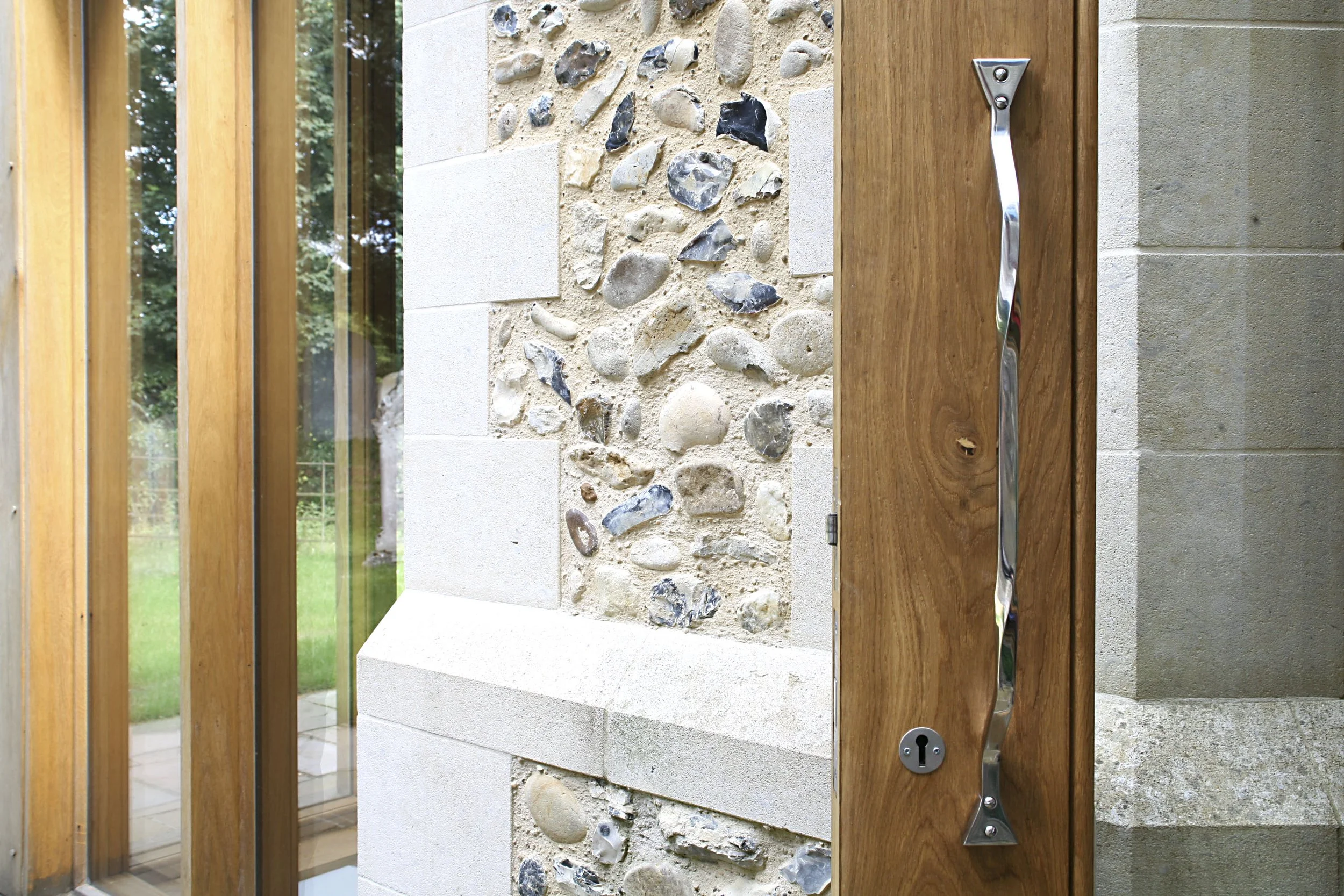
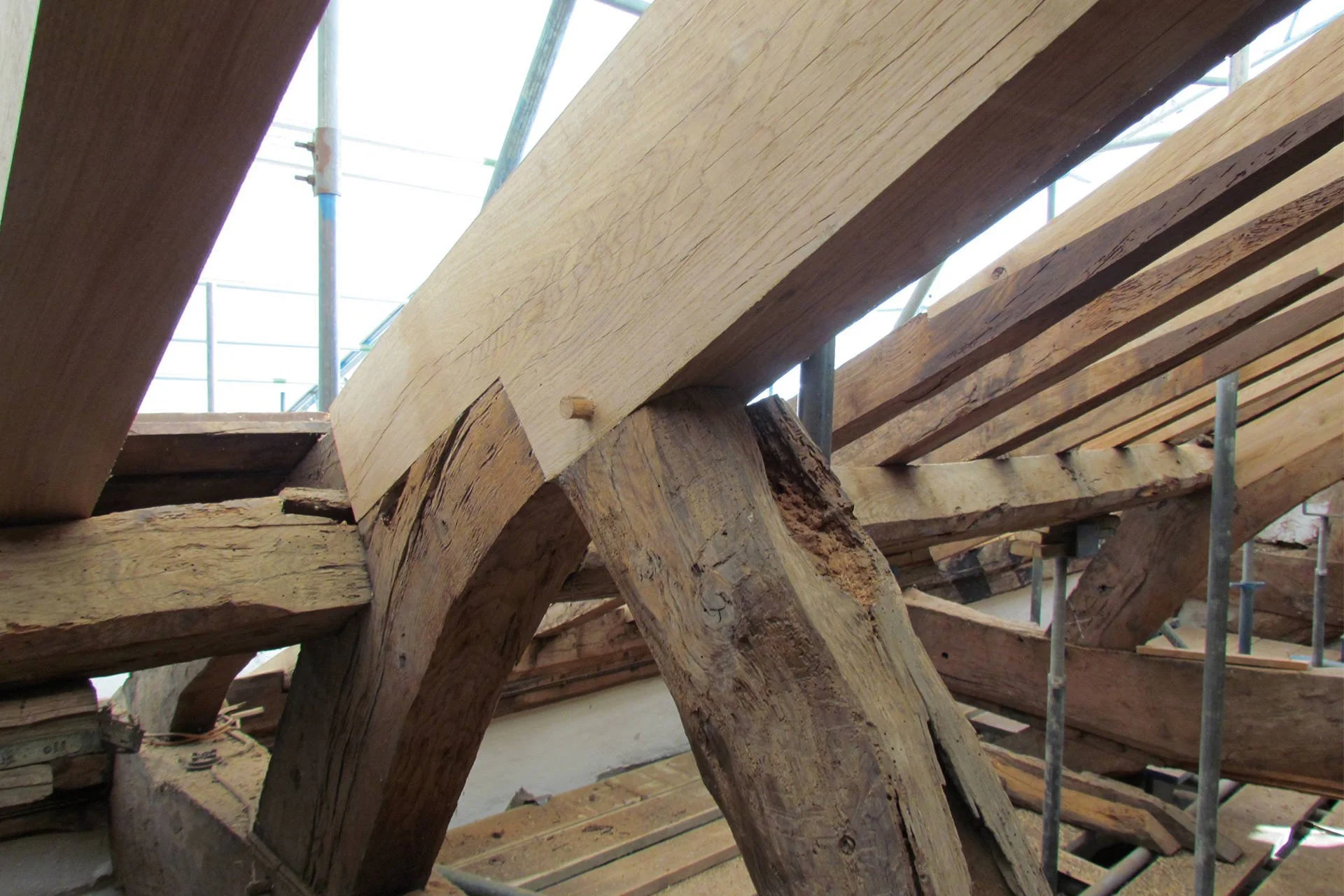
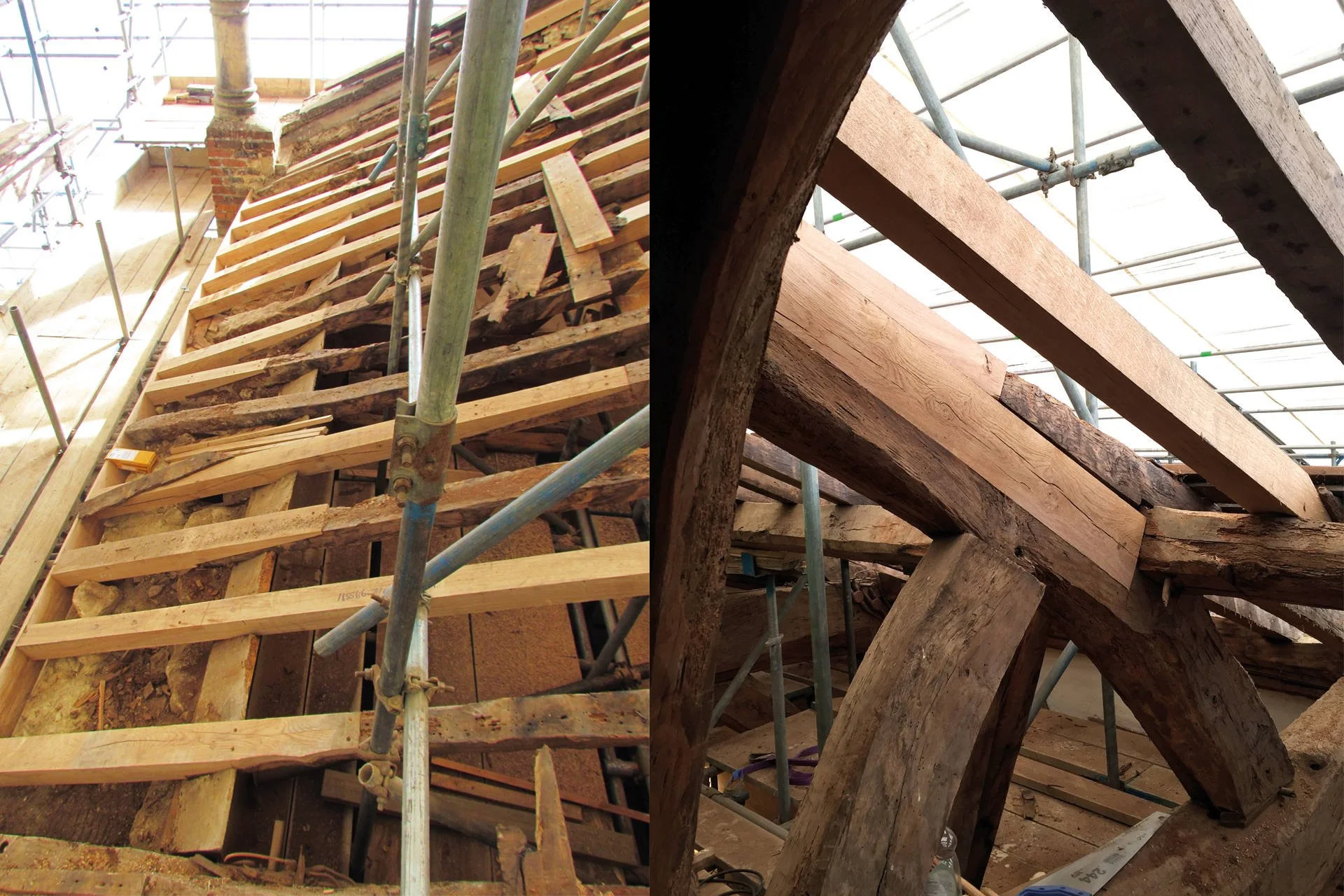
As the design progresses, we prepare the detailed information needed to deliver the project on site. This involves a careful understanding of the existing structure, applying of our extensive knowledge of traditional and contemporary building techniques to fully consider how new elements connect with historic fabric.
Our focus is on producing clear, buildable information that supports a smooth construction process whilst recognising the challenges of working with historic fabric.
-
We remain involved during construction to help ensure that the project is delivered as intended. Working with experienced heritage contractors and specialists, we provide clarification where needed and monitor progress to maintain quality and consistency.
Ecclesiastical buildings often reveal unexpected conditions once work begins, so a flexible and responsive approach is essential. We help navigate these situations, ensuring that decisions made on site remain aligned with the overall design intent and the sensitivities of the building.
Working with churches involves a careful balance between respecting the existing building and supporting its ongoing use. Each project is shaped by its history, its congregation and its wider community role, but the process generally follows a series of key stages.